Yale is committed to a sustainable future and has adopted requirements for all new buildings and renovation projects to achieve LEED Certification. The University's science and medicine institutes and centers have pioneered green building with many projects, including the first lab in the world to achieve LEED standards.
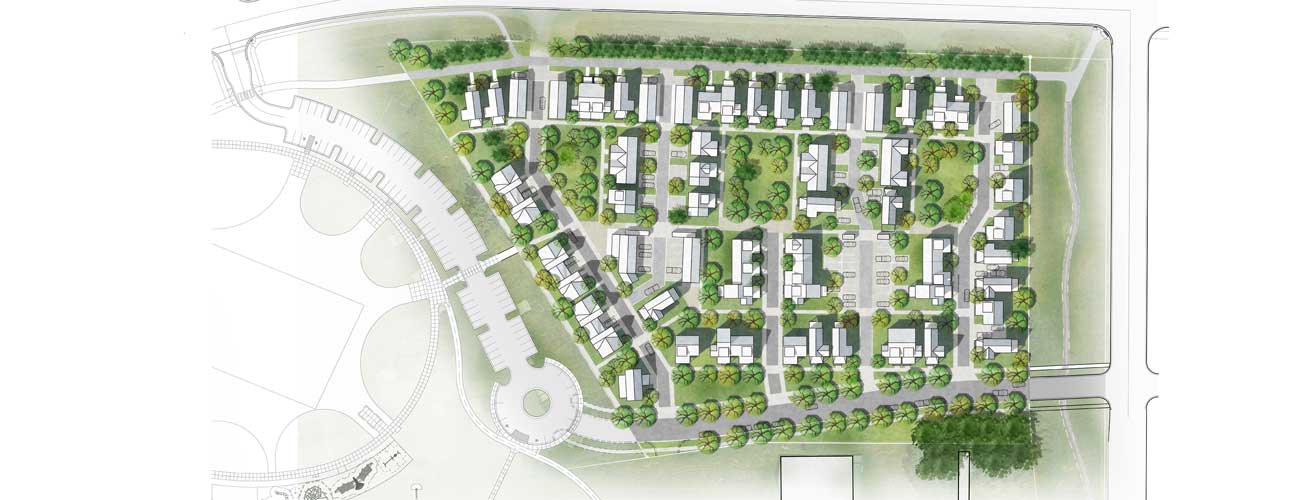
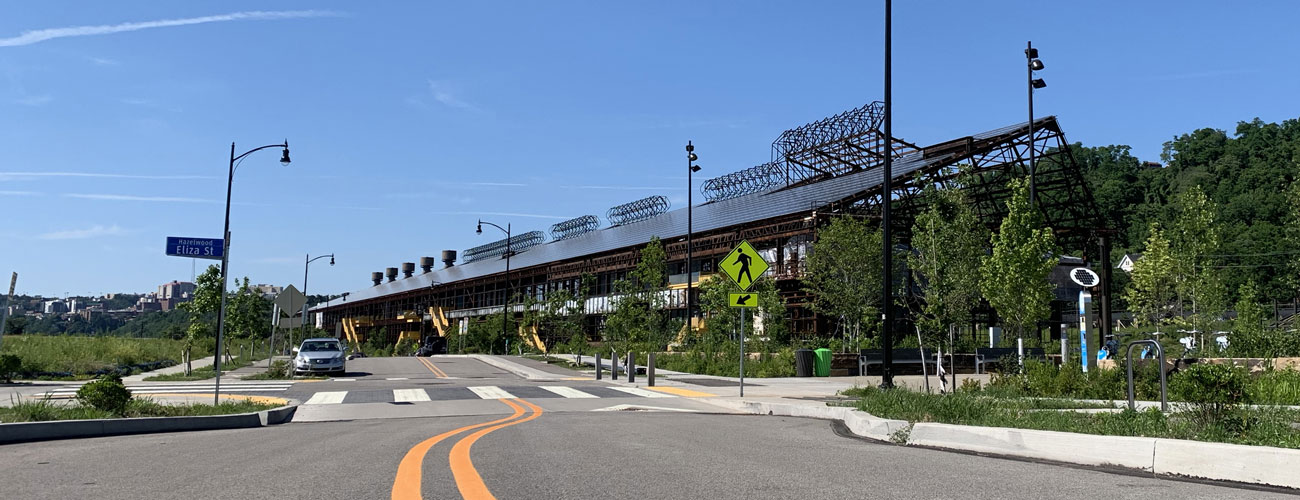
With leadership from evolveEA, Hazelwood Green is transforming into a low carbon development with aggressive energy, water, waste, and transportation goals, compliant with 2030 and P4 targets, and is to be certified under LEED for Neighborhood Development.
Station Area Planning enables the Port Authority to strategically manage its facilities and operations, and increase ridership by densifying urban nodes around transit stations and promoting healthy, active, car-free, and affordable lifestyles.
The Etna EcoDistrict is building on the successes and methods of neighboring ecodistricts and participating in the Triboro Ecodistrict. evolveEA designed a full year community education curriculum that explores key ecodistrict concepts of Water, Food, Energy, Air, Mobility, and Equity.
The Millvale Air Quality Plan was initiated because the Pittsburgh region ranks in the worst 4% of US cities for air quality, emphasizing a major health risk. As part of their Ecodistrict Pivot 2.0 Plan, Millvale Borough set the goal to become a “clean air community where people can breathe easy indoors and out”. The Breathe Easy Plan and implementation projects demonstrate how a citizen science research project can utilize expertise in the region to empower residents and produce impactful placemaking strategies.
The evolveEA office is the only LEED v4.1 O+M: Interiors project in Pennsylvania and only the third such project nationally to achieve LEED Platinum Certification.
The Uptown neighborhood will see a transformation from parking lots to a multi-use development that includes affordable and market-rate housing, a bus rapid transit hub, and public art allowing opportunities for cultural expression. evolveEA led the masterplanning of the public spaces and is currently designing the public spaces with artists from the Hill and Uptown.
Like many post-industrial communities, the Larimer neighborhood has seen massive amounts of disinvestment in its residents, organizations and infrastructure. In collaboration with the community, evolveEA articulated a “living cities” vision that examined ways that energy independence, net zero water use, and localized food economies could make the existing community more resilient and attract and sustain equitable development.